
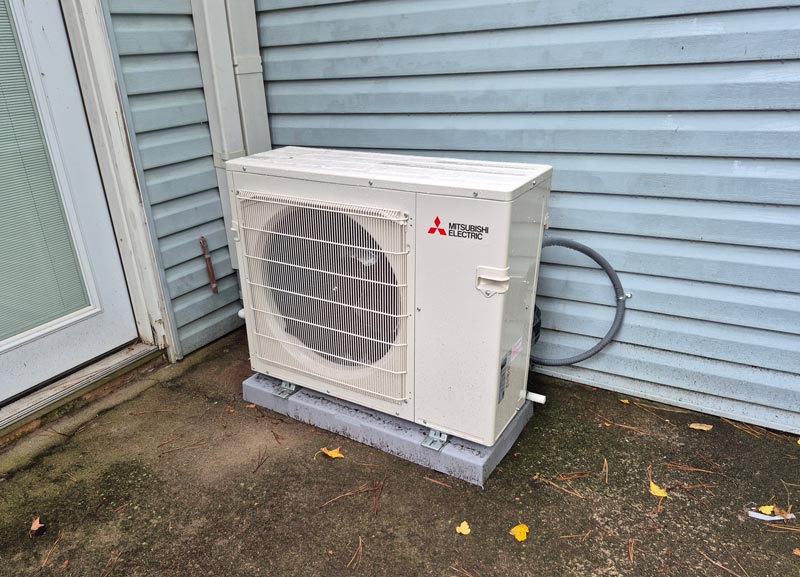
Choosing between a heat pump and a furnace for winter heating in Decatur, GA comes down to understanding how each system performs in the local climate and what each one costs to operate over time. Decatur winters are mild by most measures, with temperatures that rarely sustain the kind of cold that pushes heat pumps to their limits, and that climate context matters significantly when evaluating which technology makes more sense for a given home. In our service calls throughout Decatur, from the neighborhoods near Oakview Road to the homes along Scott Boulevard, this comparison comes up regularly, and our heat pump installation and furnace services cover both sides of it.
Key Points
- Climate fit: Decatur’s mild winters favor heat pumps for most of the heating season.
- Efficiency: Heat pumps move heat rather than generate it, so they deliver more heat for each unit of energy used.
- Cost: Heat pumps cost more to install but usually cost less to run, while furnaces cost less upfront.
- Backup option: A dual-fuel system pairs a heat pump with a gas furnace for the occasional deep cold snap.
Understanding the Differences Between Heat Pumps and Furnaces
The fundamental difference between these two systems is how they produce heat. A heat pump does not generate heat directly. Instead, it moves heat from the outdoor air into the home using a refrigerant cycle, the same process an air conditioner uses in reverse. This makes heat pumps exceptionally efficient in moderate temperatures because transferring heat requires far less energy than generating it.
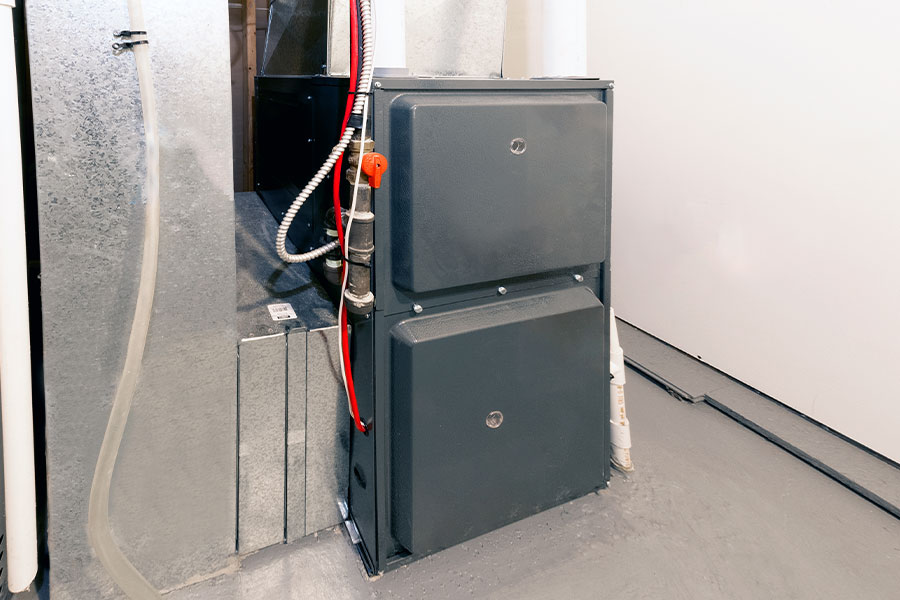
A furnace generates heat by burning fuel, typically natural gas, or by converting electricity directly into heat through resistance elements. That process is straightforward and effective, but it consumes more energy per unit of heat delivered than a heat pump operating in its optimal temperature range.
The practical tradeoff comes at temperature extremes. As outdoor temperatures drop toward or below freezing, a standard heat pump’s efficiency declines, and its ability to extract heat from the outdoor air decreases. A gas furnace, by contrast, delivers consistent output regardless of outdoor temperature. In Decatur’s climate, where temperatures rarely remain below freezing for extended periods, this distinction matters less than it would in northern markets.
Which System Is Best for Decatur’s Climate
Decatur sits in the humid subtropical climate zone, which means hot summers, mild winters, and relatively few days where temperatures drop into ranges that stress a heat pump’s performance. Average winter lows hover in the mid-30s to low 40s Fahrenheit, and sustained periods below 20 degrees are rare.
This climate profile strongly favors heat pumps for the majority of the heating season. A modern cold-climate heat pump maintains useful heating capacity well below the temperatures Decatur typically experiences and operates with a coefficient of performance that significantly exceeds that of a gas furnace or electric resistance system.
For homeowners concerned about rare cold events, a dual-fuel system pairs a heat pump with a gas furnace as a backup, allowing it to use whichever technology is most efficient for the current outdoor temperature. The heat pump handles the bulk of the season, and the furnace activates only when temperatures drop to the point where it becomes the more effective option.
Regular heat pump maintenance is also a key factor in maintaining high efficiency throughout the heating season, as a system serviced before winter arrives performs better and costs less to operate than one that has not been.
Comparing Installation and Maintenance Costs
The cost comparison between these two systems has two dimensions: upfront installation cost and ongoing operating cost.
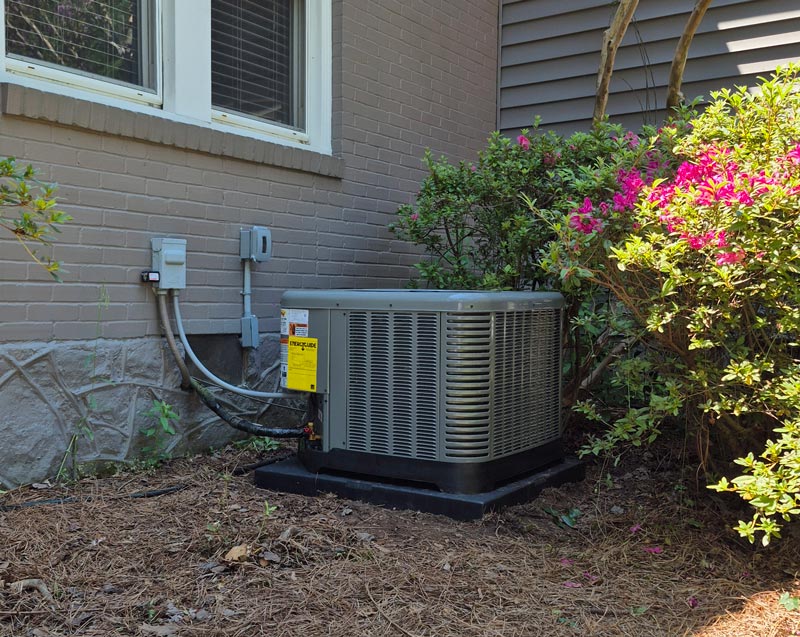
At installation, heat pumps generally have a higher initial price than gas furnaces of comparable capacity. A heat pump installation also includes the outdoor compressor unit and refrigerant line set, which increases the scope and cost of the work compared to an air handler-furnace combination. However, because a heat pump provides both heating and cooling, it replaces what would otherwise be two separate systems, which changes the total cost comparison considerably.
In terms of operating costs, heat pumps have a clear advantage in mild climates. Because they transfer rather than generate heat, they typically deliver two to three units of heat energy for every unit of electrical energy consumed, a ratio that no resistance or combustion system can match. Over a full heating season in Decatur, that efficiency difference translates to meaningful savings on monthly utility bills.
Maintenance costs are comparable between the two system types. Heat pumps require annual service covering both the heating and cooling functions. Furnaces require annual inspection of the heat exchanger, burner, and combustion system. Our furnace repair services support homeowners with furnaces that require ongoing attention, and our heat pump services cover the full range of maintenance and repair needs for heat pump systems.
How Heat Pumps and Furnaces Compare on Energy Efficiency
Efficiency in heating equipment is measured differently depending on the system type. For heat pumps, the relevant rating is the Heating Seasonal Performance Factor, or HSPF, which reflects the ratio of heat delivered to electricity consumed over a heating season. For gas furnaces, efficiency is expressed as Annual Fuel Utilization Efficiency (AFUE), which reflects the percentage of the fuel’s energy content converted to usable heat.
Modern high-efficiency gas furnaces achieve AFUE ratings of 95 to 98 percent, meaning nearly all of the fuel they consume is converted into useful heat. That is impressive, but it still means the furnace is consuming one unit of energy for every unit of heat it delivers.
A heat pump with an HSPF of 10 or higher delivers roughly three units of heat for every unit of electricity it consumes. In Decatur’s mild winters, where outdoor temperatures spend most of the season in the range where heat pump efficiency peaks, that ratio holds consistently. The result is a lower cost per unit of heat delivered compared to any combustion system, even a high-efficiency one.
Our heat pump repair services help maintain efficiency over time by addressing issues that degrade performance, such as refrigerant loss, dirty coils, and worn components.
Making the Right Choice for Your Home
The best heating system for a Decatur home depends on several factors specific to the property and the homeowner’s priorities.
Key considerations that should drive the decision include:
- Existing infrastructure: A home with a functioning gas line and existing ductwork may have lower incremental costs for a furnace replacement than for a heat pump installation, depending on the condition of the existing system.
- Current system type: Replacing a heat pump with a heat pump, or a furnace with a furnace, is typically more straightforward and less costly than switching system types
- Energy cost structure: The relative cost of natural gas versus electricity in your area affects the operating cost comparison. In markets where electricity is relatively affordable, heat pumps hold a stronger advantage.
- Long-term plans: Homeowners planning to stay in the home for ten or more years benefit more from the efficiency advantages of a heat pump than those with shorter time horizons.
- Comfort preferences: Heat pumps deliver consistent, even warmth throughout the home. Furnaces produce higher air temperatures at the vents, which some homeowners prefer. Neither is objectively superior, but the difference is noticeable.
Choosing the Right Heating System for Decatur, GA
Both heat pumps and furnaces are proven, reliable technologies, and the right choice depends on the specifics of the home, the budget, and the homeowner’s priorities. If you are evaluating heating options for this winter or planning a system replacement, contact us today and let us help you work through the decision with real numbers and honest guidance.